
Alex Oprea
Design Manager · Head of Design
Design teams I've led ship faster, escalate less, and become real partners to Product and Engineering. Whether you have a team that needs structure, a team that needs to scale, or no team yet, I've built for all three.

 Dcyde · Current Team memory for product decisions.
 - 3 connectors: Slack, Figma, Web
- Alignment voting, follow system, weekly digest
- Per-seat Stripe billing, 10 email templates
- v1.0 in 5 days → v1.7 in production
 France Télévisions · 2023–25 A redesigned national streaming platform.
 - Unblocked a stalled cross-platform transformation
- Design system built from zero (web, mobile, TV)
- Team scaled from 5 to 9 product designers
- Evolved from UI execution to product design org
 Blizzard EMEA · 2015–21 Predictable design delivery at scale.
 - Scalable team model built around work spikes
- 10+ major product launches across 20 languages
- Output doubled through internal tooling
- Team scaled from 3 to 10 multidisciplinary designers
Decisions disappear. I built the fix.
A SaaS decision log for product teams. Live at dcyde.app.
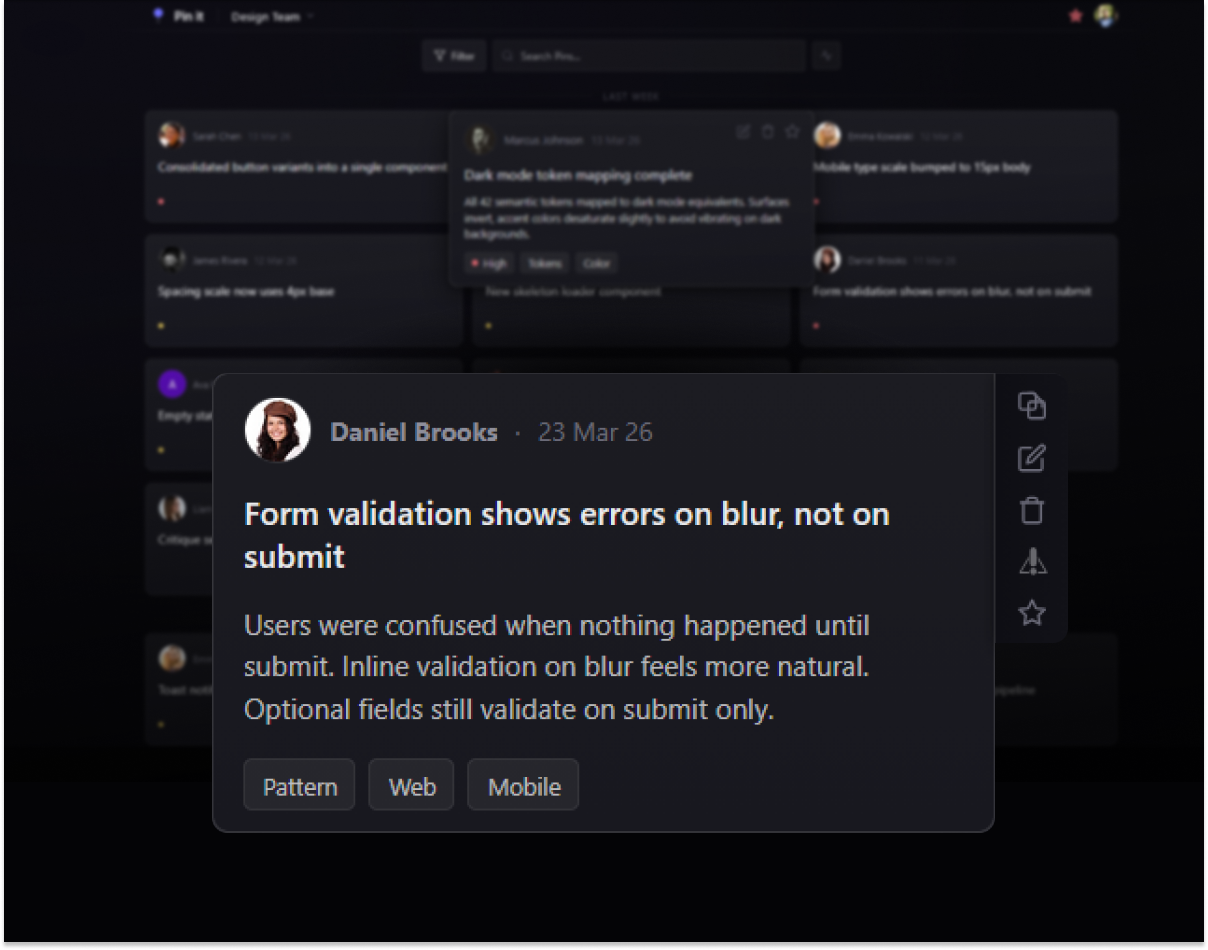
The decision wall. Every call, captured in seconds.
Context
Every product team I have led lost decisions in Slack threads, reviews, and hallway conversations. Two weeks later: "Who changed this and why?" No existing tool captures the why.
What I built
Team memory for product decisions. Decisions flow in from the tools teams already use: Slack and Figma. The wall fills itself. No extra process, no behavior change.
Connectors
3 connectors: Slack /pin command, Figma plugin, and web compose. Each with source badges and @mention notifications.
Full product
Alignment voting, follow system, weekly digest, per-seat Stripe billing, 10 email templates, GDPR compliance, security audit. v1.0 in 5 days → v1.7 in production.
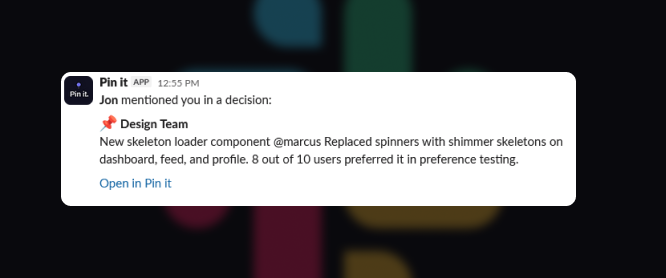
Slack DM notifications for @mentions
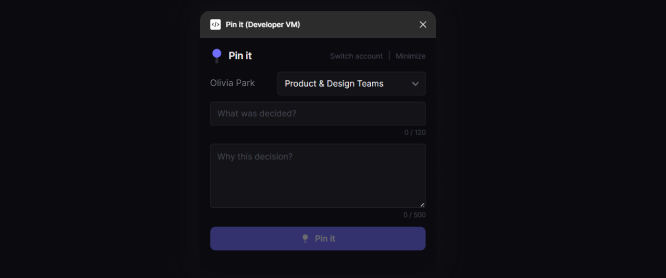
Figma plugin. Pin from the canvas.
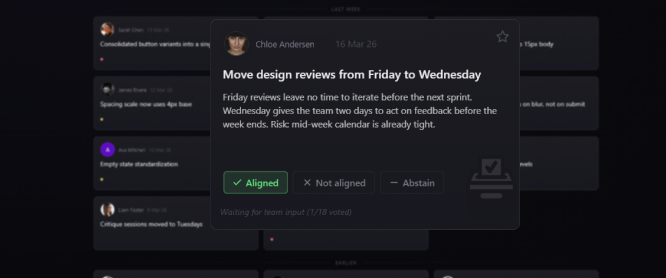
Anonymous team alignment voting
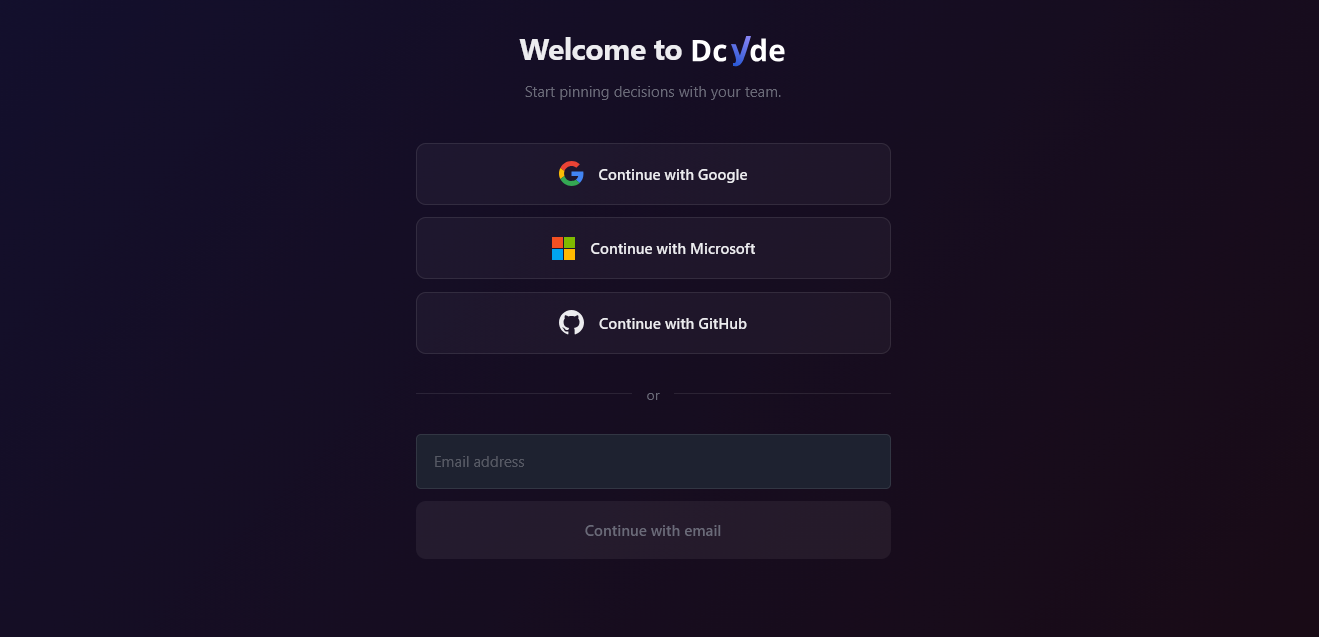
Four auth providers, one account
From bottleneck to delivery partner.
Restoring France Television design team predictability in a stalled transformation.
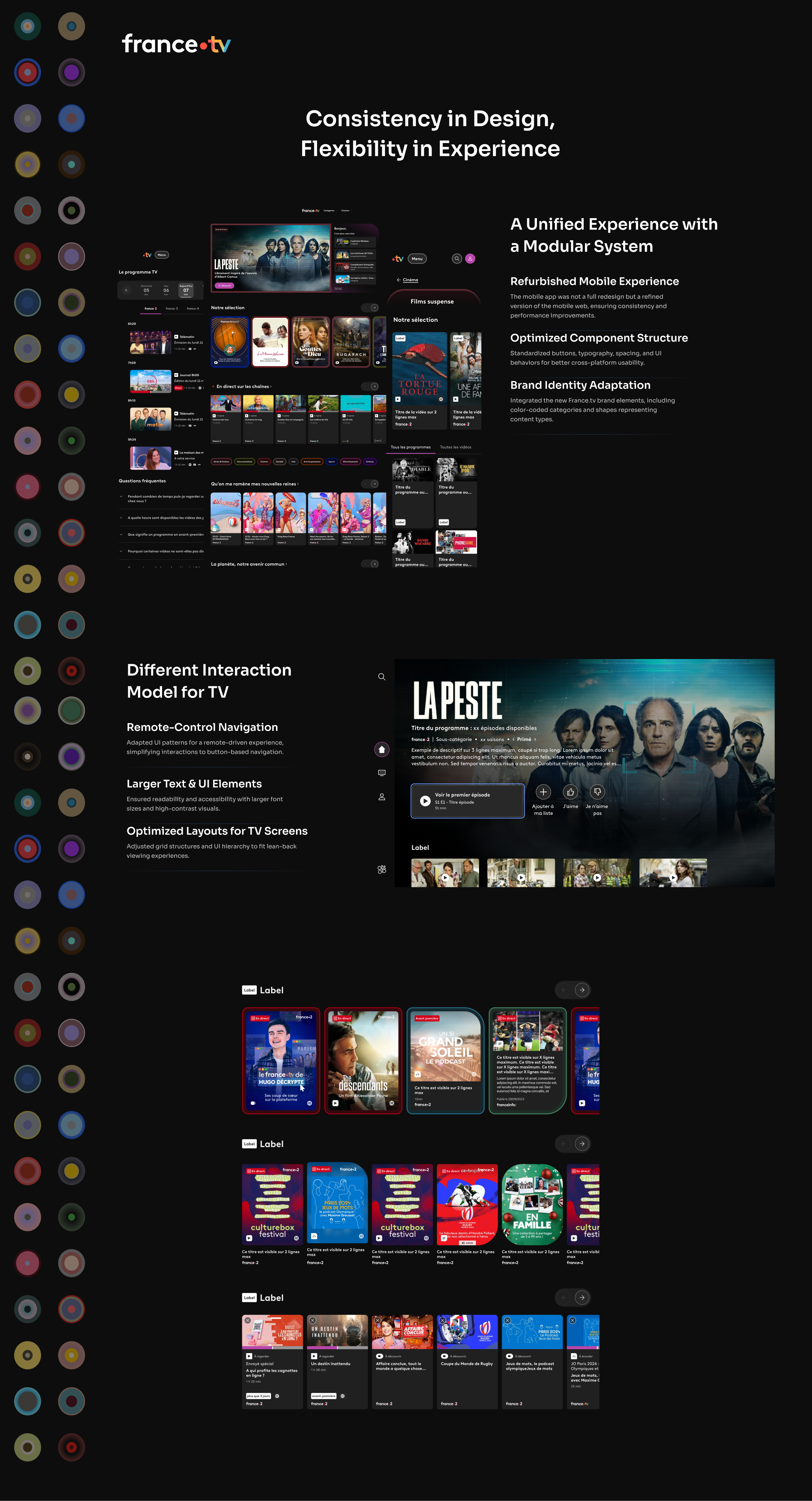
Cross-platform redesign. Web, mobile, TV.
Context
France's national public broadcaster. Simultaneous rebrand + cross-platform design system (web, mobile, TV) + product redesign + technical restructuring. 100+ contributors. After 18+ months of stalled progress, nothing had shipped.
What was broken
No ownership or decision rights across platforms. Design and Engineering misaligned on scope. 3-month cycles, constant escalation. Senior designers spread thin, everywhere, effective nowhere.
What I decided
Stabilize before improving. Concentrate senior capacity on critical paths. Introduce DoR, DoD, atomic design standards. Rebuild roadmap: 6-week Program Increments with explicit trade-offs.
What changed
Design cycles halved. Escalations near-zero. Full cross-platform system delivered in under 12 months after 18 months stalled. Design transitioned from UI execution to strategic product capability.
A unified experience across platforms
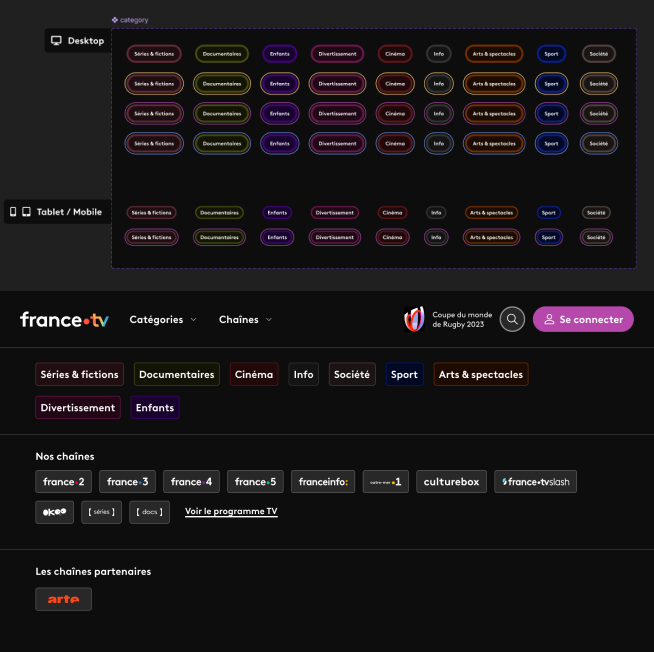
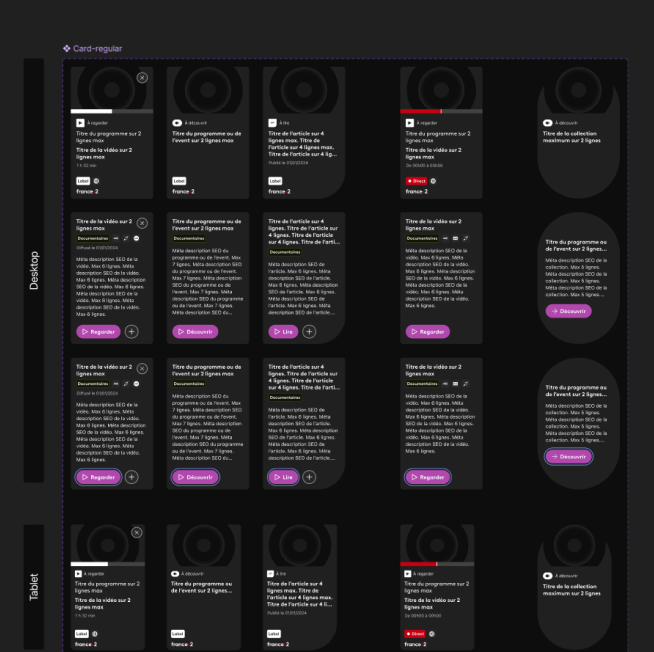
Component library. Figma to production.
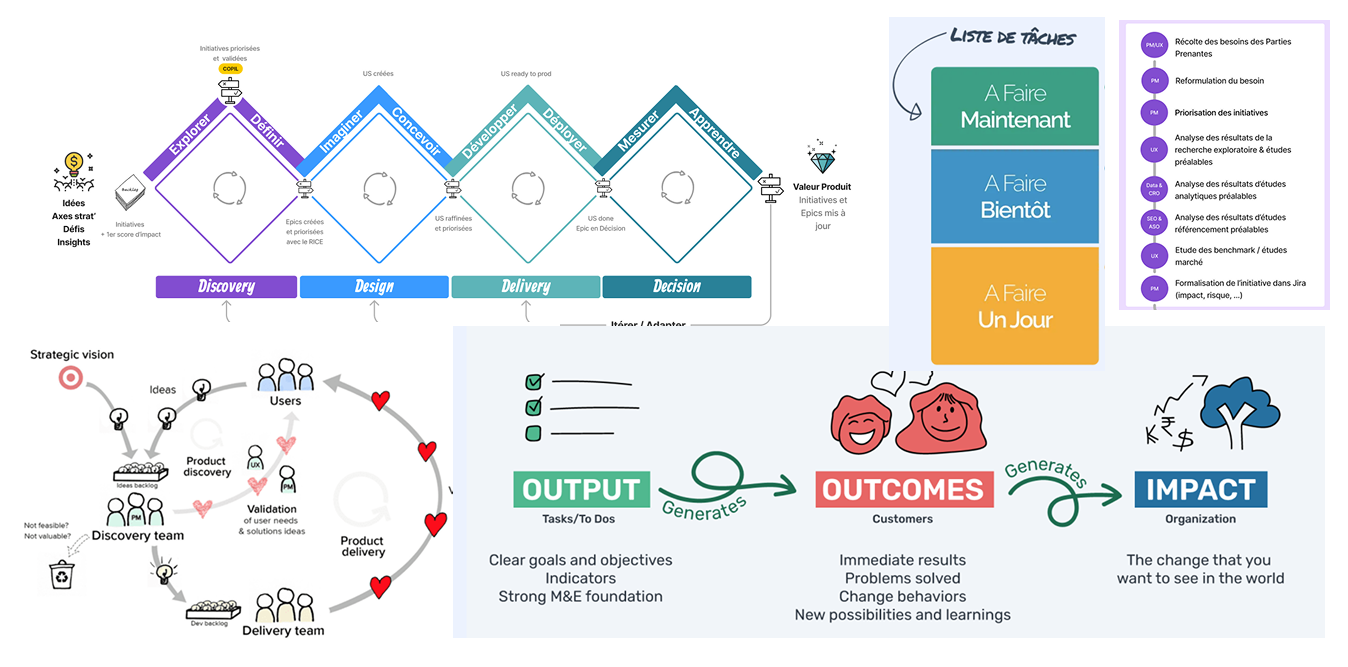
Design operating model. Process framework.
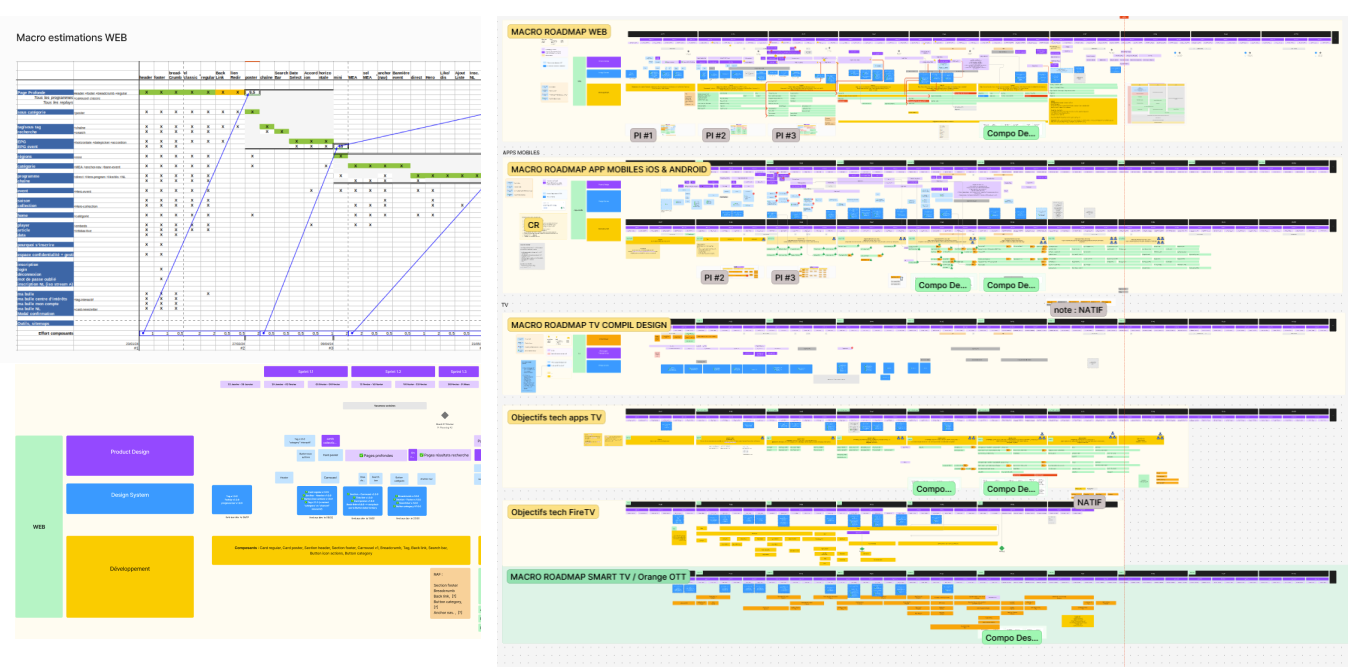
Macro roadmap. 6-week Program Increments.
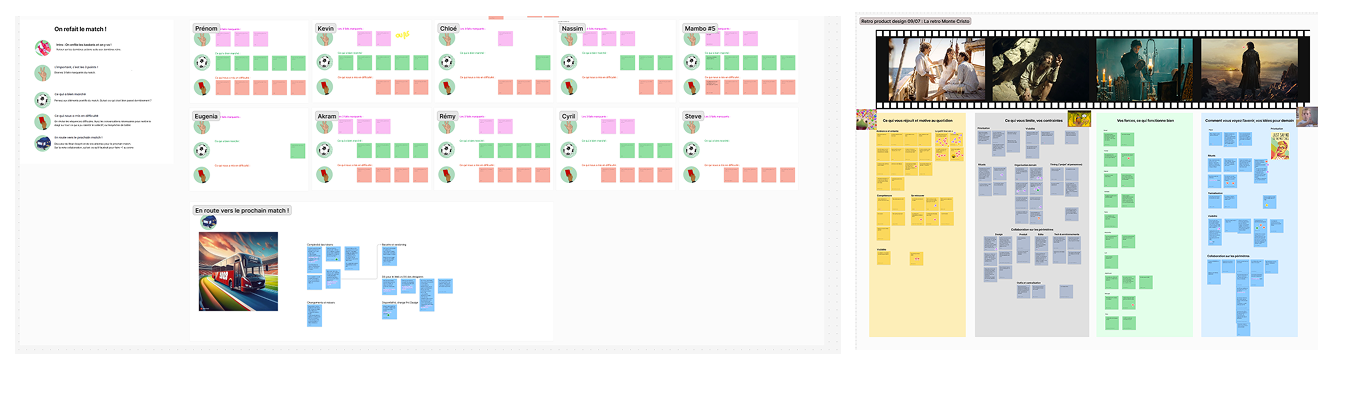
Team retrospectives and capacity planning
Scale the outcome.
Building a coordinated EMEA design function across 7–20 languages, over 6 years.
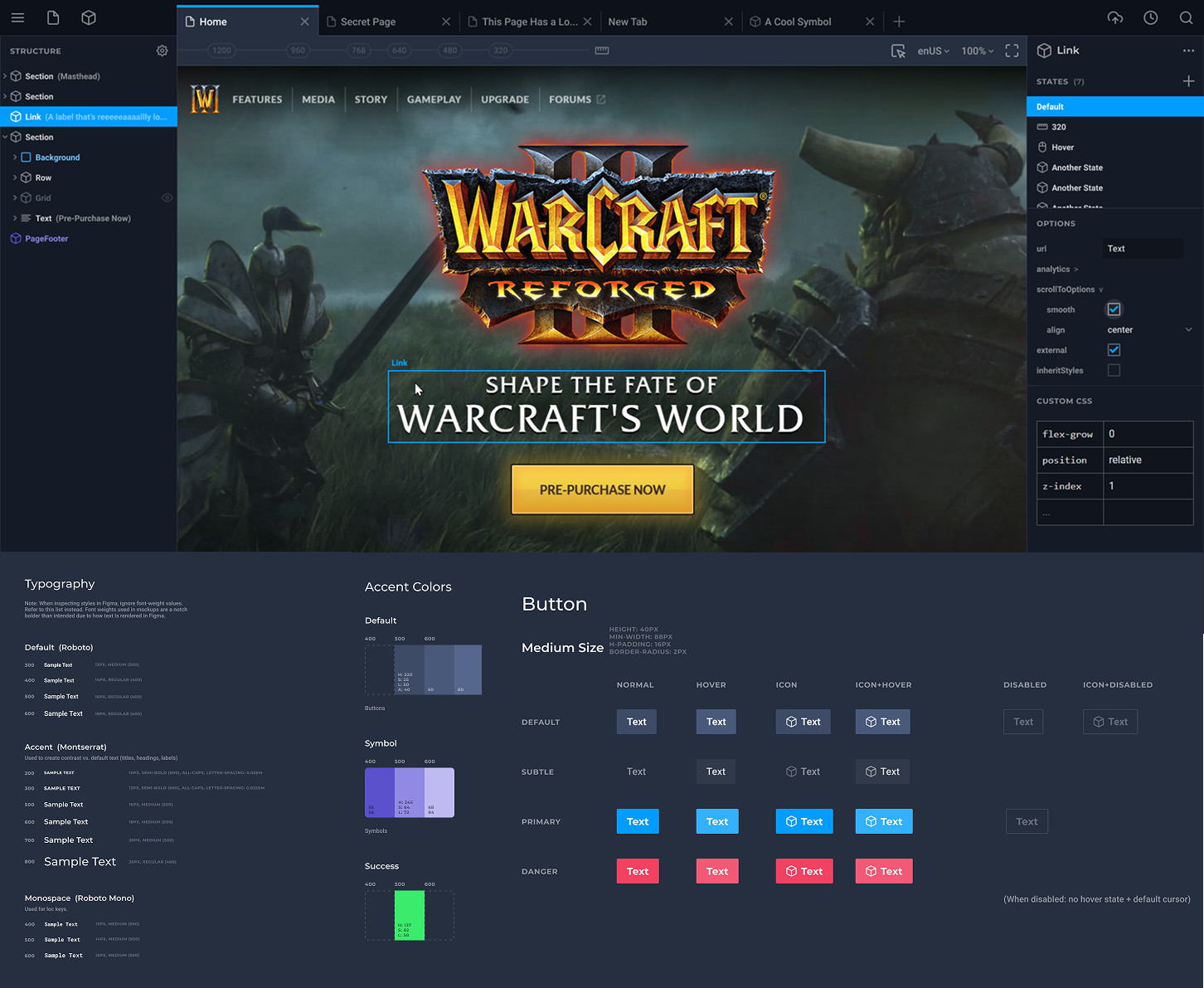
internal CMS and landing page builder
Context
WoW, Overwatch, Hearthstone, Diablo, Heroes. EMEA campaigns, CRM, websites, live ops. 6 years. Progressively took ownership; senior IC to leading 10 designers across all regional output.
What was broken
Design capped by headcount, not systems. Each new campaign multiplied coordination cost. Engineering dependency for basic publishing. Localization across 20 languages multiplying effort and risk.
What I built
Team organized around outcomes, not franchises. Agency pool as structured extension: 6 agencies, RFPs, MSA + SOW contracts. Internal tooling: Email Builder + Cauldron landing page system. Career framework: 3 disciplines × 5 levels.
What changed
Design evolved from a collection of contributors into a coordinated, scalable EMEA function, without proportional headcount growth.
Other projects.
Email Builder
No-code email tool. Replaced Layout + JSON + JADE pipeline. Extensive benchmark, user testing, sprint-based development.
100% production increase · email-capable designers 2→8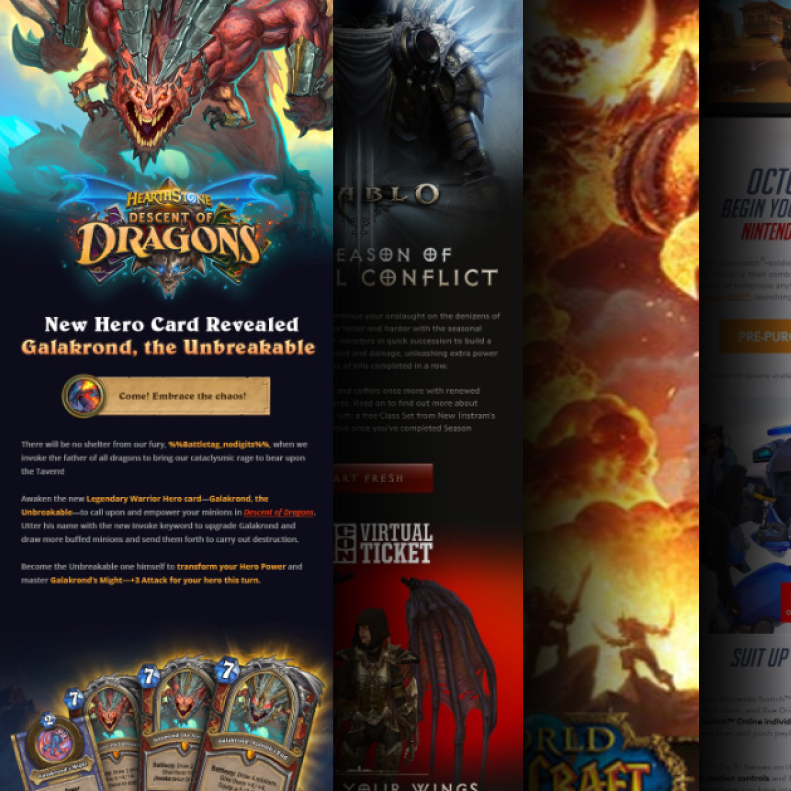
Avatar Call to Arms
Personalized eCRM featuring each player's own in-game avatar. Social hub for scene customization and social sharing. EU–US collaboration, 200k budget, Agile with Lean UX.
Re-engagement campaign at scale · multilingual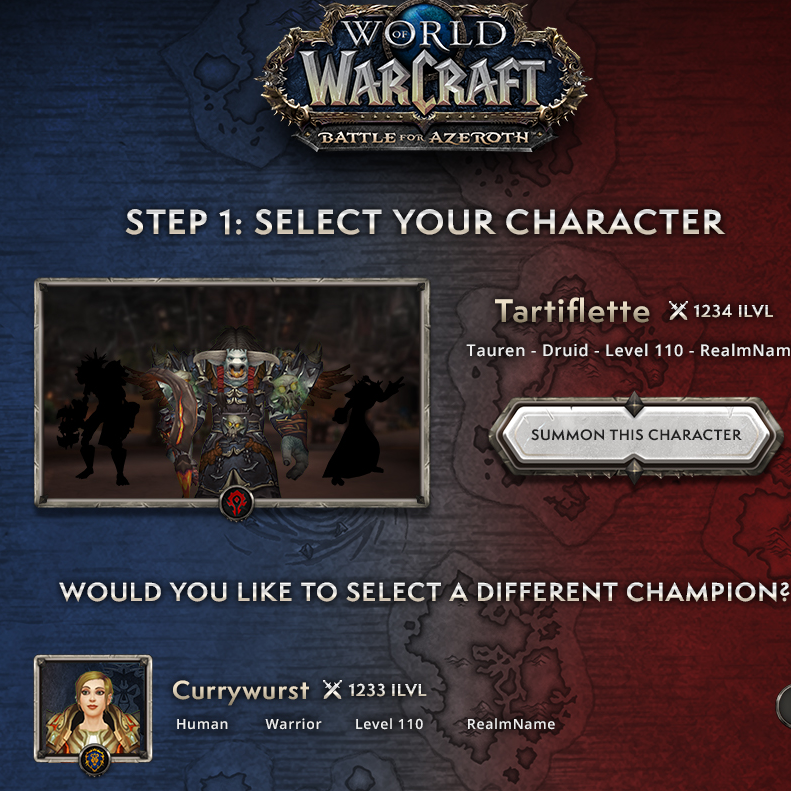
FSG Innkeeper Resources
Full product design: focus groups in US + EU, personas, wireframes, asset generator, 7-language delivery. Recognized by Blizzard HQ.
Full lifecycle: focus group → shipped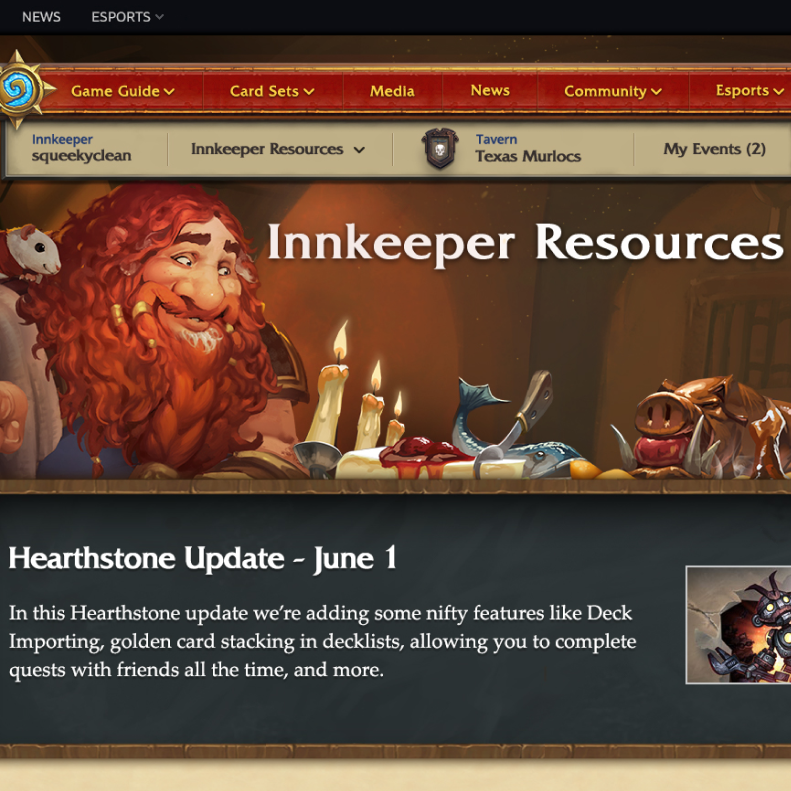
Gamescom Digital
Mobile app (iOS/Android) + responsive website for 370,000-visitor event. 3 AR concepts: guided tour, interactive selfie, puzzle/adventure.
App + web · live event delivery at scale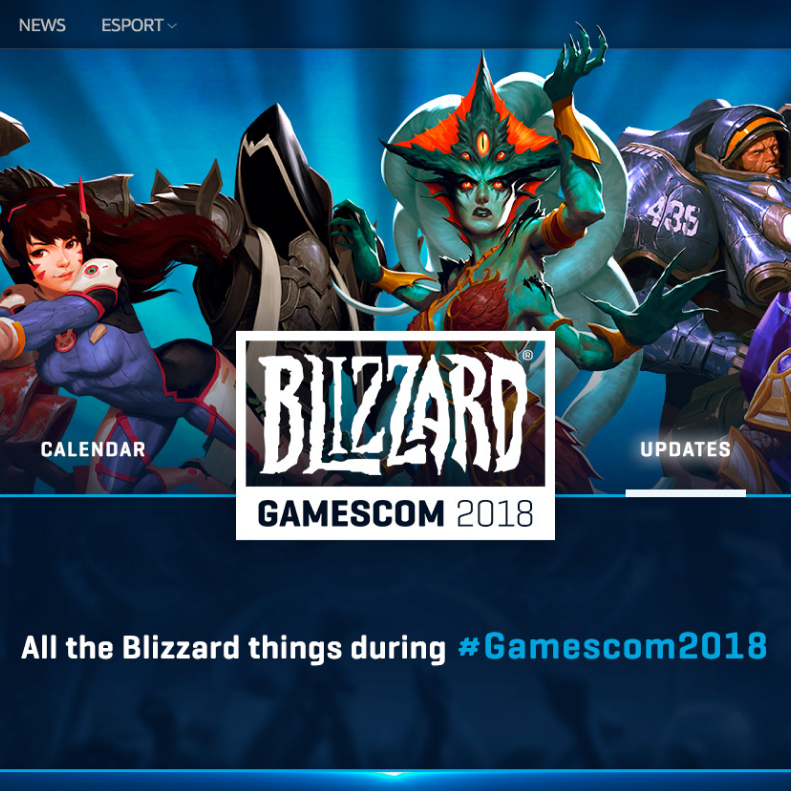
Agency Management
Built and managed pool of 6 external agencies. RFPs, interviews, MSA + SOW contracts, QA, performance tracking.
Scalable partner ecosystem · 6 agencies onboarded
Career Progression Framework
3 disciplines (Interaction, Visual, Motion) × 5 levels, built with HR and HQ. SMART objectives, dual promotion criteria.
Team infrastructure built · HR approved
The operating model I bring.
Not a framework. Controls I dial up or down based on risk, scope, and team maturity.
Clarity
Design cannot scale without clear ownership and decision rights. I define who owns what, how decisions are made, and how design interfaces with Product and Engineering. This reduces escalation, rework, and dependency loops.
Delivery
Reliability matters more than brilliance. I optimize for operating models teams trust under pressure: clear sequencing, realistic commitments, explicit trade-offs.
Systems
I treat design systems as governance tools, not component libraries. Their value comes from adoption, contribution rules, and alignment with delivery workflows across platforms.
People
Clarity upfront, autonomy after that. I adapt coaching to autonomy level, not specialty. Junior designers get structured guidance and frequent feedback. Senior designers get trust, context, and ownership.
"My objective isn't to add process. I need to reduce uncertainty so design can move faster with confidence."
Design-to-Code Workflow
The deliverable is a pull request, not a Figma file.
Starting point is a product brief, user story, or the existing live product. Not a blank Figma canvas.
Tokens, styles, CSS, all components already exist in the codebase and are documented in Storybook.
Each designer gets their own Git branch. They work in Cursor/VS Code with Claude Code + skill files as context. The designer builds in .tsx, not in Figma.
Designer pushes branch. GitHub Action generates a preview URL. PM and stakeholders review in the browser, not in Figma.
Engineer gets a PR notification. 80% of the code is production-ready. No handoff doc, no re-interpretation. PR → production.
- design_system Token Studio + variables. Global → semantic → component layers.
- token_pipeline Style Dictionary transforms tokens.json into CSS variables automatically.
- production Next.js + Tailwind. Every component uses token vars.
- storybook Component library with all variants. Stories for every state.
- git_branch Each designer works on their own branch. Safe to experiment, nothing breaks prod.
- ai_context Context via .md skill files. AI knows the codebase, components, rules.
- figma_mcp Paste Figma link → Claude reads design and writes real component code.
- build_in_code Pages, interactions, edge cases. All done in tsx. Storybook for QA.
- deploy Claude commits + opens PR. GitHub Action → preview URL generated.
- share Shareable URL with all changes live. No more static Figma files to interpret.
- engineer 80% of prototype code is reusable. PR reviewed, merged, no re-build needed.
- audit Design changes logged with intent. Full audit trail.
What this changes about leadership
- "Senior designer" now means: systems thinking, code fluency, AI prompting, visual judgment. Not pixel production.
- Design system stops being a library. It becomes production infrastructure that makes this workflow possible.
- Hiring changes: you look for adaptability, dev comfort, and the ability to define constraints. Not just craft.
"The designer's job is not to produce files. It's to produce working product, faster than anyone thought possible."
Three phases. Measurable outcomes.
Ready to land
- Onboarding plan reviewed, key stakeholders mapped
- Access to tools, repos, and communication channels requested
- First 10 meetings scheduled: PM leads, Eng leads, Design ICs
- Read every available design doc, retro, and strategy brief
- No opinions yet. Only questions, listening, and context gathering.
Diagnose & Observe
- Audit all major product flows and key screens
- Map decision-making patterns inside the design team
- Monitor handoffs, reviews, iterations as they happen
- Review async channels: find stalled decisions and rework loops
- Establish baseline signals: cycle time, iteration count, DS usage
- Share observations with stakeholders
Accelerate Delivery
- Introduce Definition of Ready and Definition of Done
- Establish short, decision-focused design critiques
- Clarify "ready to ship" criteria with Product and Engineering
- Redesign one high-impact flow using existing components
- Use AI tools to compress exploration, synthesis, documentation cycles
- Measure: fewer loops per feature, faster handoff
Stabilise & Prepare Scale
- Formalise design vision and strategy that supports it
- Align design system roadmap with product roadmap
- Document operating model and decision ownership
- Define onboarding standards for future team growth
- Present progress and forward plan to leadership
- Designers operating independently
Five principles.
Observable behaviors teams feel within the first 30 days.
Clarity before speed
Design cannot scale without clear ownership and decision rights. Autonomy only works when Product, Design, and Engineering are aligned on goals and constraints. I define this before asking for speed.
Code is the handoff
The PR is the design file. Engineers get working code, not static screens. 80% reusable.
Tokens own the design
Change a value once. Global → semantic → component. Everything updates.
AI handles production
Boilerplate, components, variants, states: Claude generates it. Designer energy goes to decisions.
Skills = context
.md skill files teach Claude the codebase. AI knows the rules before it starts.