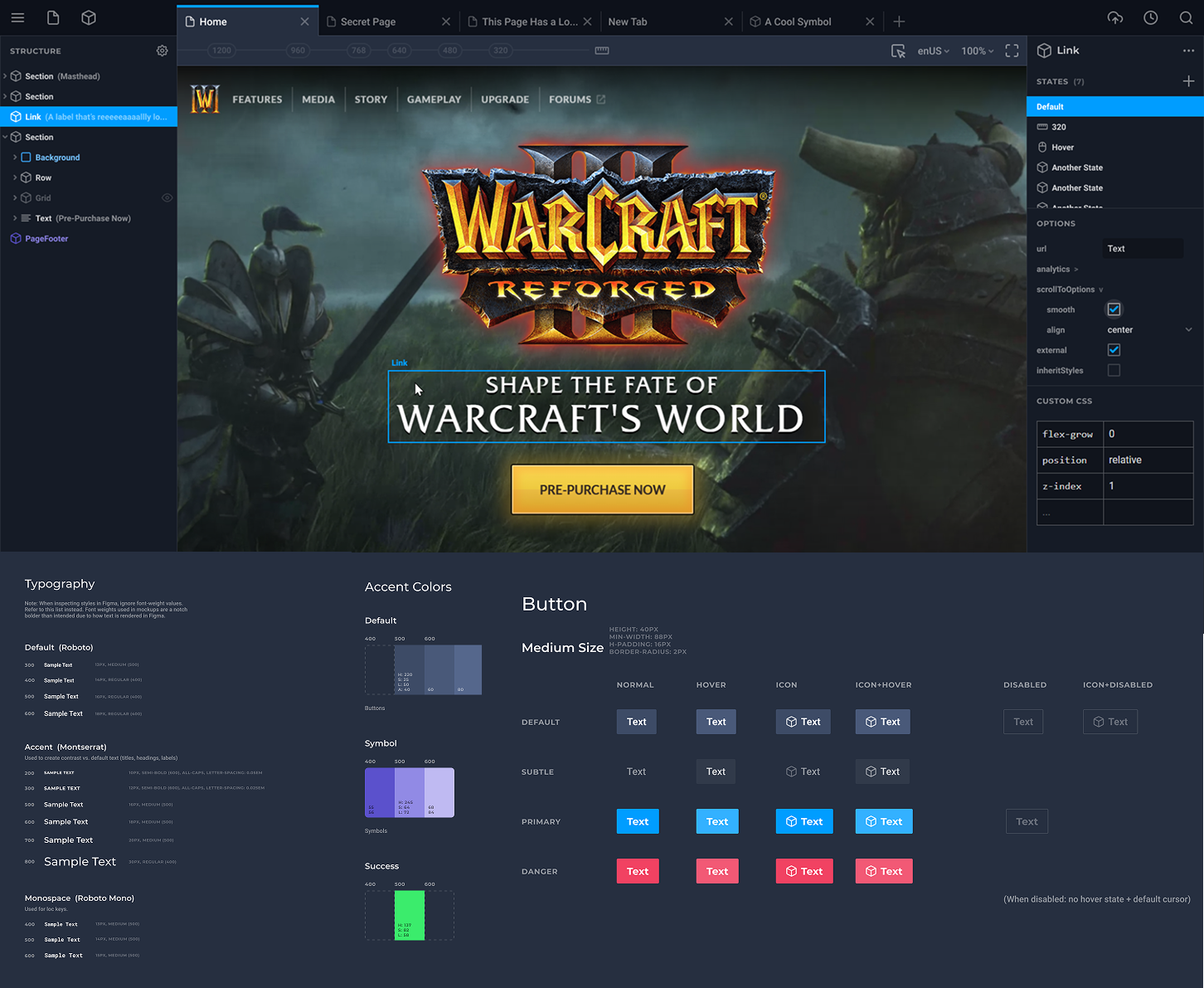
A team that couldn’t scale by working harder
Campaigns, CRM, and web platforms across multiple game franchises, localized in 7 to 20 languages per launch. Demand grew with the business; the operating model hadn’t evolved to match.
The constraints were structural: fragmented workflows, routine production leaning on scarce development resources, and every campaign rebuilt by hand.
What we shipped
We designed player-facing products, live events and community platforms. I led the team, designed alongside it, and built the internal tools that let us handle the volume.
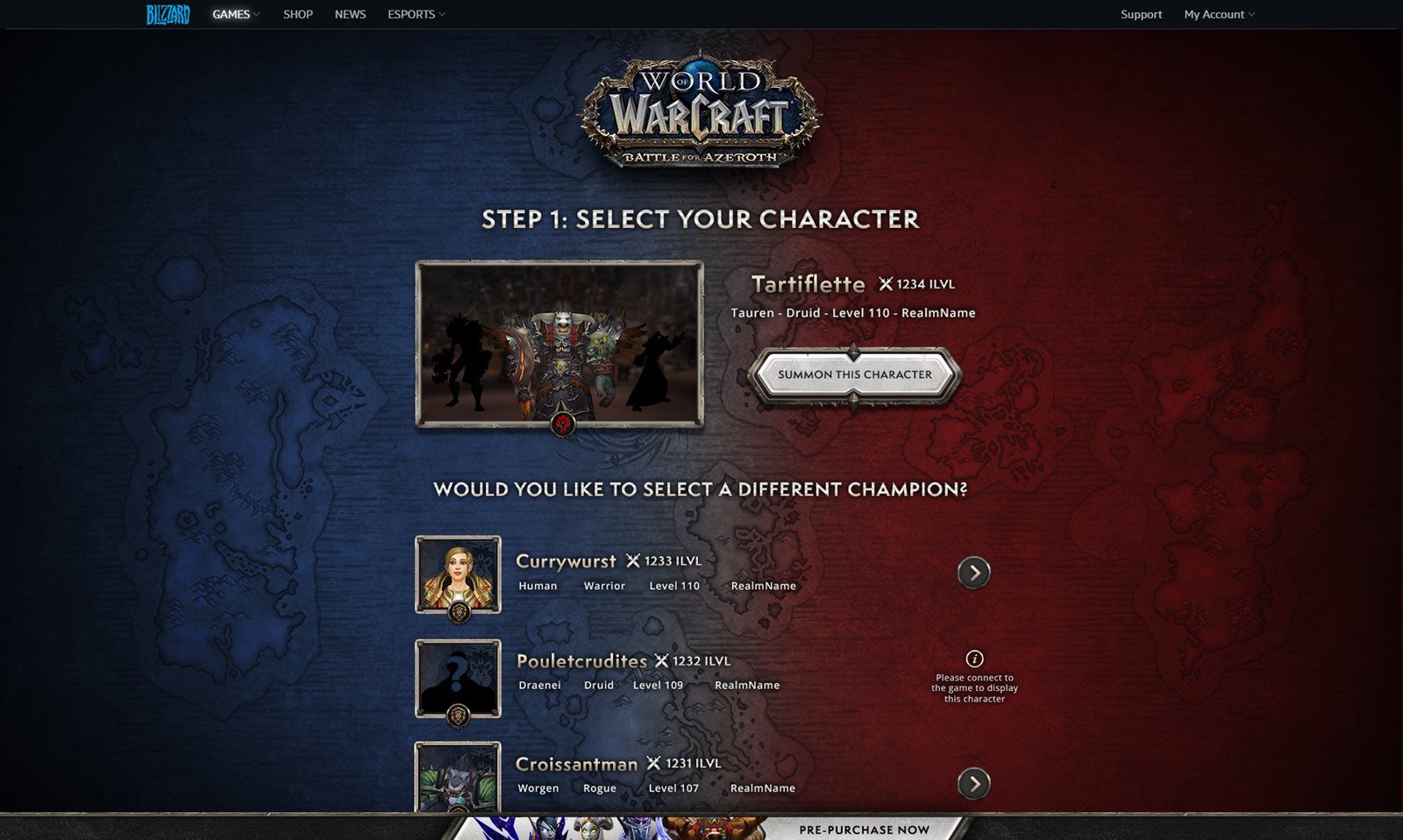
A call to arms from your own avatar
We designed a win-back product for World of Warcraft: every lapsed player got a call to arms fronted by their own in-game character, then a page to build and share their own. A 200k budget, run against subscription and expansion revenue.
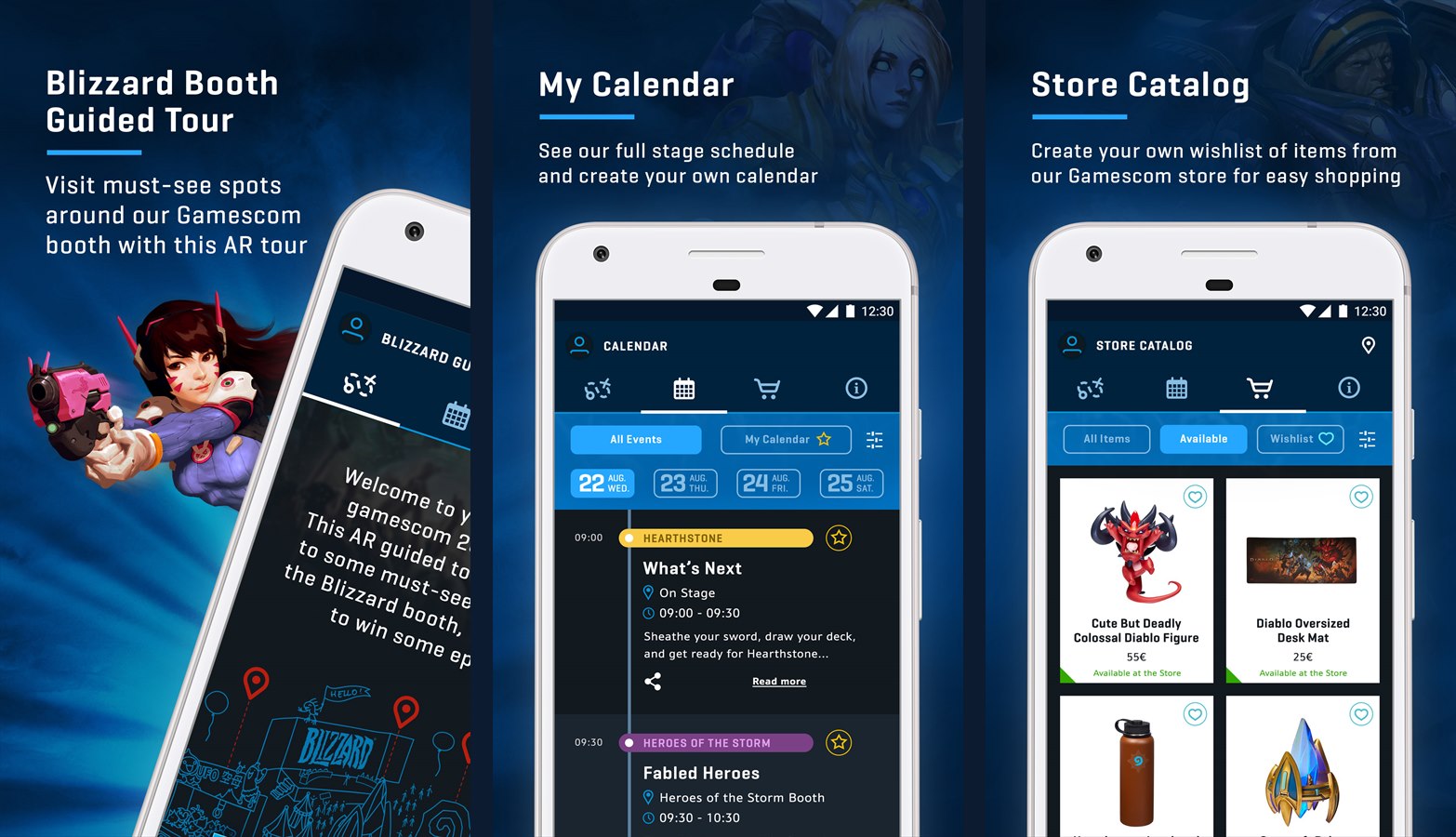
An app for the world’s biggest gaming show
For Gamescom 2018 we designed the visitor app for iOS and Android, including an augmented-reality booth tour: a fixed show deadline, tested on the ground during the event.
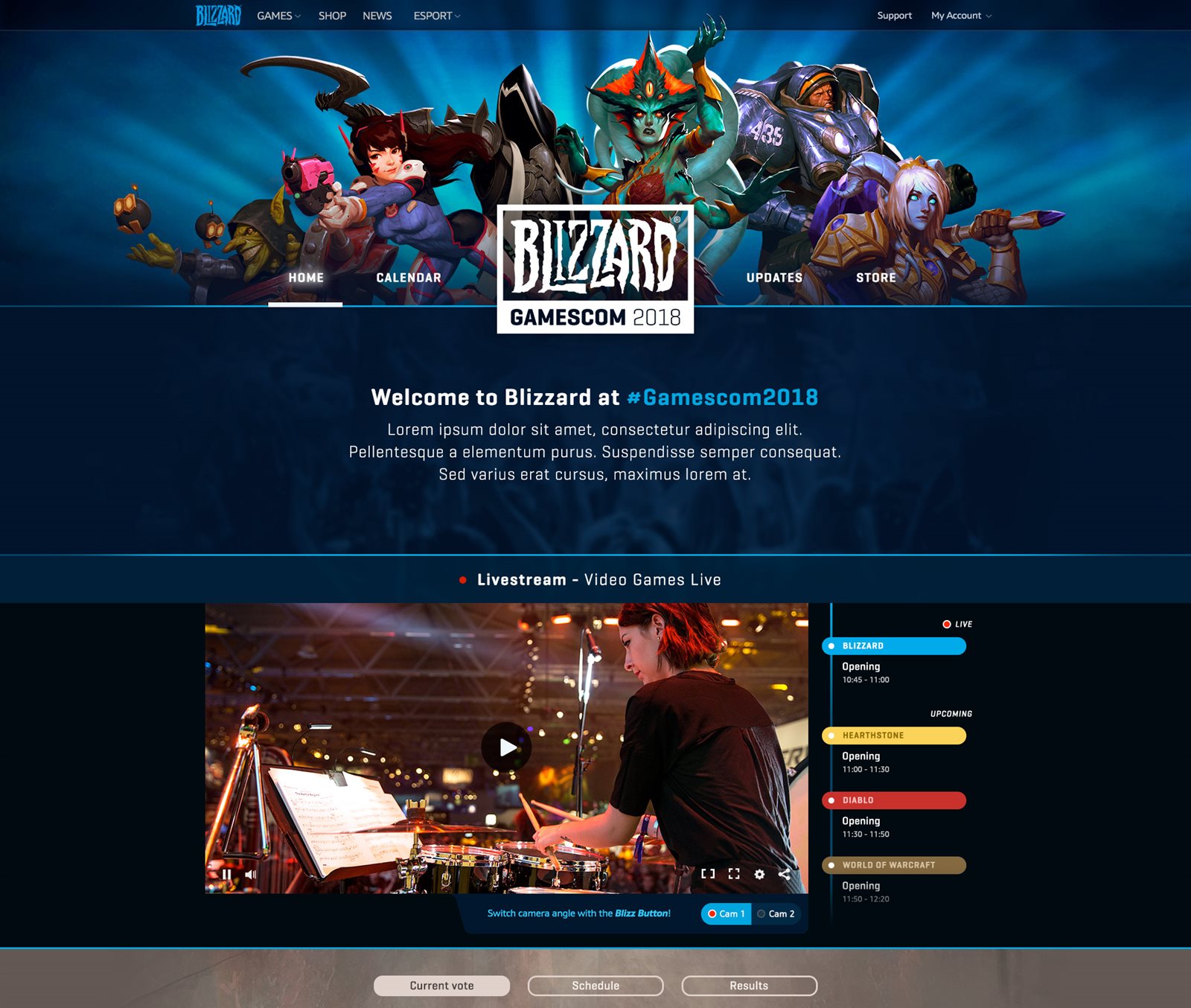
The show, for everyone not in Cologne
We designed the event site that ran alongside it: the livestream with a switchable camera, the stage schedule, the calendar, and the updates feed, in one place.
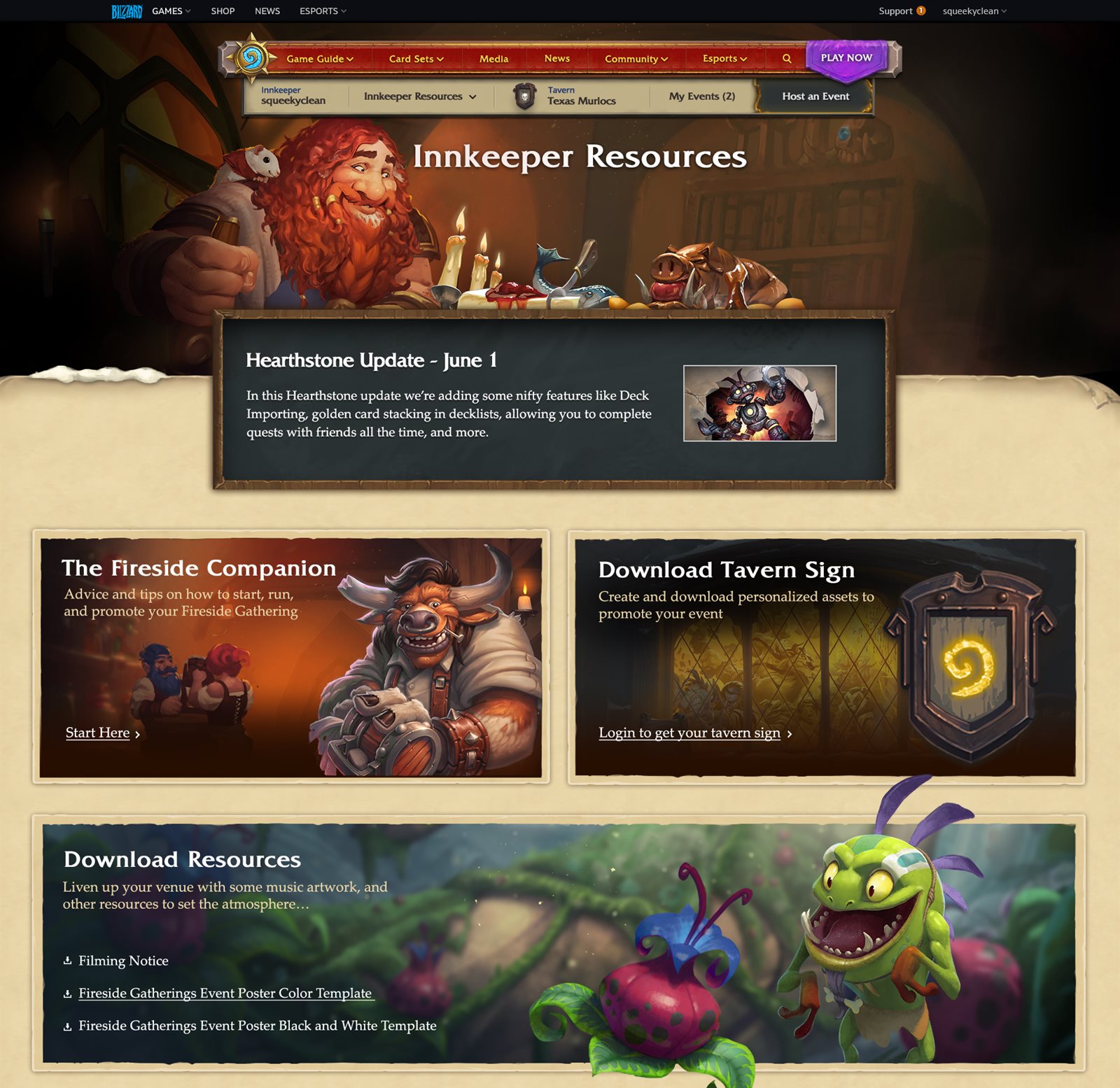
Onboarding for the people running the events
We designed an onboarding product for Hearthstone Fireside Gathering hosts, shipped in 7 languages: the guide to running an event, personalised tavern signs, and the poster and artwork a host could download. Shaped by focus groups I prepared and led in the US and in Europe.
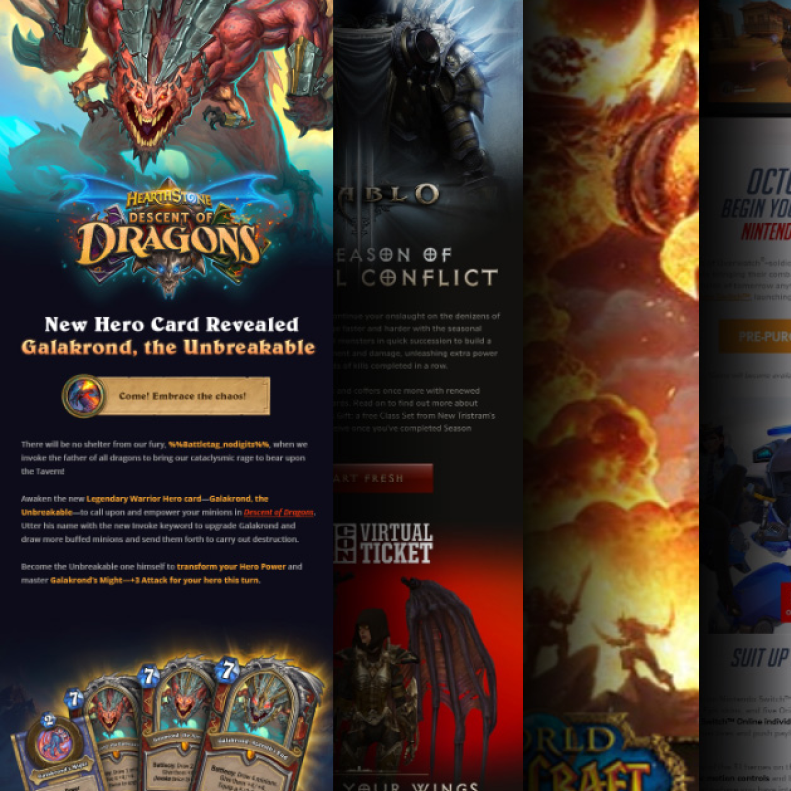
An 8-hour job, turned into a system
Localizing one email took over eight hours, and only two designers could do it. I designed an internal tool that let any designer produce localized emails without touching code: 15+ emails in under two weeks, against more than a month before.
Restructure around outcomes
Structure and streams
I reorganized the design team around business outcomes into four delivery streams with defined ownership: Editorial & Localization, Creative Assets, Digital Labs, and Creative Marketing. Designers knew what they owned; stakeholders knew who to go to.

Coordination and tooling
I introduced lightweight rituals that improved visibility without piling on process, and embedded an agency pool that absorbed demand peaks under shared standards, so peaks stopped costing headcount. The internal tools I built moved designer effort from repetitive production to decision-making.